
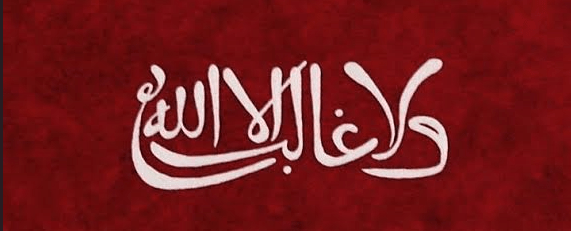
Source: Unclear, maybe twitter user @xohaibtanweer
The Manj mostly identify as Rajput although ones in Gurdaspur have been known to classify as Jats as well and the reason for the fluidity of labels for the same group of people was explained in detail in my Formation of Rajput Identity piece. In short, the claims of descent from the mythical Raja Salvahan, father of Raja Rasalu can be safely discarded, read the article for details.
Isa Khan Manj, son of Daulat Khan Manj originally from Sirhind started life as an ordinary zamindar but after bringing considerable territory under his control from Jehra on Sutlej to the fort of Deresa he started to get involved in politics. [1]
Career:
Opportunity would meet preparation as Aurangzeb Alamgir’s death would initiate a war for the Mughal throne where the Manj chief would throw his weight behind, Prince Mu’azzam against the 7th Mughal Emperor Azam Shah at the Battle of Jajau in today’s Uttar Pradesh in the month of June in 1707. Weather and lack of water were huge obstacle for Azam Shah’s side as its described that his soldiers “melting like wax in the jungle” due to those factors [2] Azam Shah though would fight bravely despite losing his eldest son and key members of his entourage suffering arrow wounds which wouldn’t prevent him from continue fighting until “at length a musket ball struck him on the forehead and killed him. The shot is believed to have been from the hand of Isa Khan Manj, a zamindar from the Lakhi Jungle of subah Lahore” [3] The shot by Isa Khan would bring an end to the 3 month reign of Azam Shah and Prince Mu’azzam would ascend the Mughal throne as Bahadur Shah 1.
As a reward, Isa Khan was appointed Deputy Faujdar of Jalandhar with a rank of 1500 zat & 1000 horse, which he would use to “inflict a severe defeat on the Sikhs” in their Banda Bahadur uprisings in June 1711. [4]. Later, when Jahandar Shah takes the throne he would promote Isa Khan Manj to the rank of 5000 [5].
Rebellion & Death:
The success and Royal favors would only embolden the Manj tribal chief as he had become so influential that he started intercepting trade caravans from Kabul & Kashmir that were on their way to Delhi and even started pillaging neighboring “parganahs” (administrative unit) and forced out the Mughal officials running them. It is said that “he spared no effort to expand his zamindari and influence in Punjab” and “he defeated numerous armies of the faujdars” [6]
In 1718, Isa Khan Manj would openly defy Mughal authority At this point Abdus Samad Khan, a migrant from Samarqand, who found a career for himself in India was running the Lahore Subah for Mughals. The Viceroy preferred negotiating over conflict as there was enough chaos around him such as the Kasur based Afghans revolting, but Isa Khan would reject any overtures of peace. [7]
Abdus Samad Khan would field Shadab Khan Heshgi, an Afghan to root Isa Khan out in a battle that takes place near a village called Thara where Isa Khan was based out of. The Manj would fight with 3000 horsemen repelling Shadab Khan, but after seeing his father die right in front of him, Isa Khan would go into a fit of rage and threw himself at the fleeing Shadab Khan. The scuffle would be last of Isa Khan’s life bringing an end to his story [8]. The Manj principality that Isa Khan established would be left alone as his son continued to accept Mughal suzerainty, but would be absorbed with the rise of Sikhs.
References:
[1] Sikhs in the Eighteenth Century by Surjit Singh Gandhi, pg. 77.
[2] Later Mughal by William Irvine, pg. 26
[3] Later Mughal by William Irvine pg. 33
[4] Later Mughal by William Irvine pg. 119
[5] Sikhs in the Eighteenth Century by Surjit Singh Gandhi, pg. 77.
[6] Crisis of Empire in Mughal Northern India by Muzaffar Alam. pg.82
[7] Sikhs in the Eighteenth Century by Surjit Singh Gandhi, pg. 77.
[8] Sikhs in the Eighteenth Century by Surjit Singh Gandhi, pg. 77.

 Punjabi Waseb